DIY Car Maintenance Tips: What You Can Do Before Visiting an Auto Repair Facility
ss
Introduction to DIY Car Maintenance
Taking care of your car doesn't always require a trip to the mechanic. By performing some basic maintenance tasks yourself, you can save time and money while ensuring your vehicle runs smoothly. In this post, we'll explore several DIY car maintenance tips that you can tackle before visiting an auto repair facility.
Check and Change the Oil
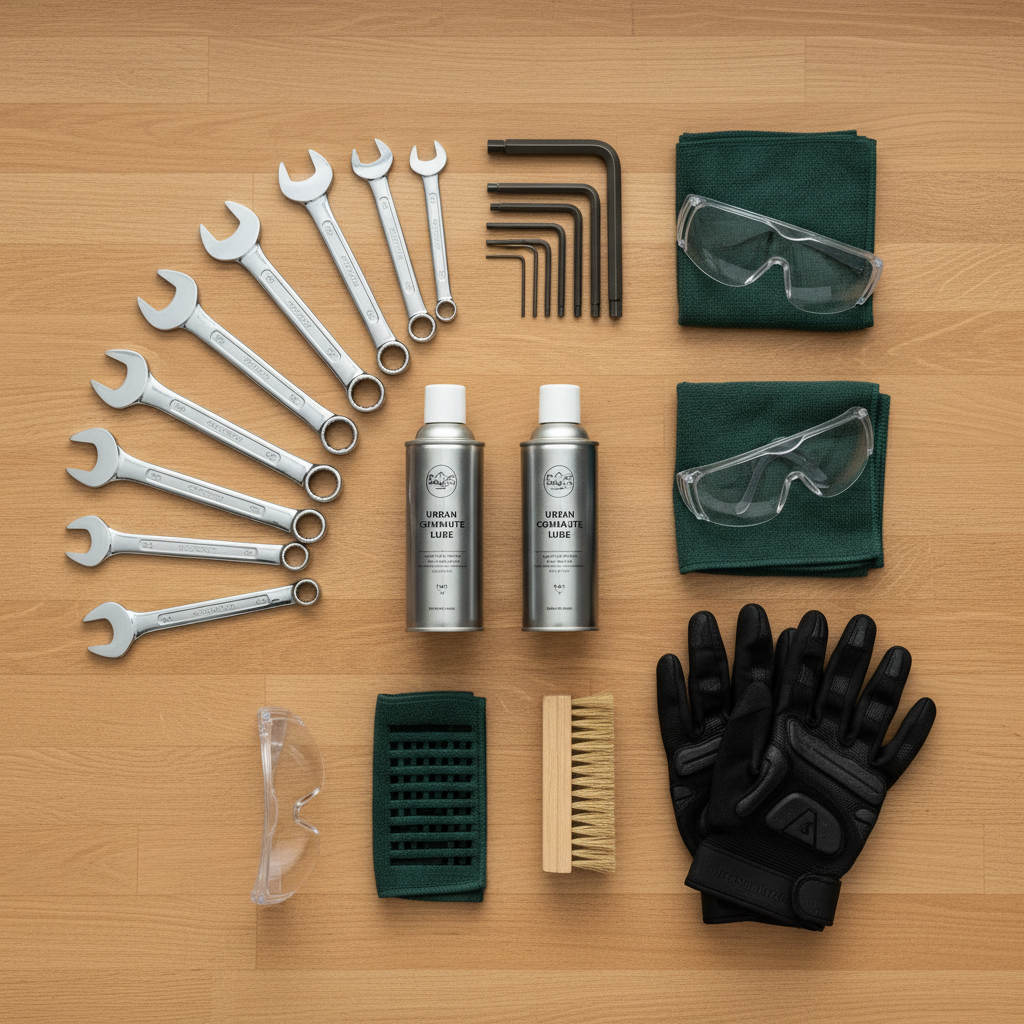
One of the most essential aspects of car maintenance is regularly checking and changing your car's oil. Fresh oil keeps your engine running smoothly and extends its lifespan. You can check the oil level by using the dipstick and change it by draining the old oil and replacing the filter. Be sure to follow your vehicle's manual for specific guidelines on oil type and change intervals.
Steps to Change Your Oil
- Park your car on a level surface and turn off the engine.
- Place a container under the engine's oil pan and remove the drain plug.
- Allow the old oil to drain completely, then replace the drain plug.
- Remove the old oil filter and install a new one.
- Pour new oil into the engine using a funnel, then check the level with the dipstick.
Inspect the Tires
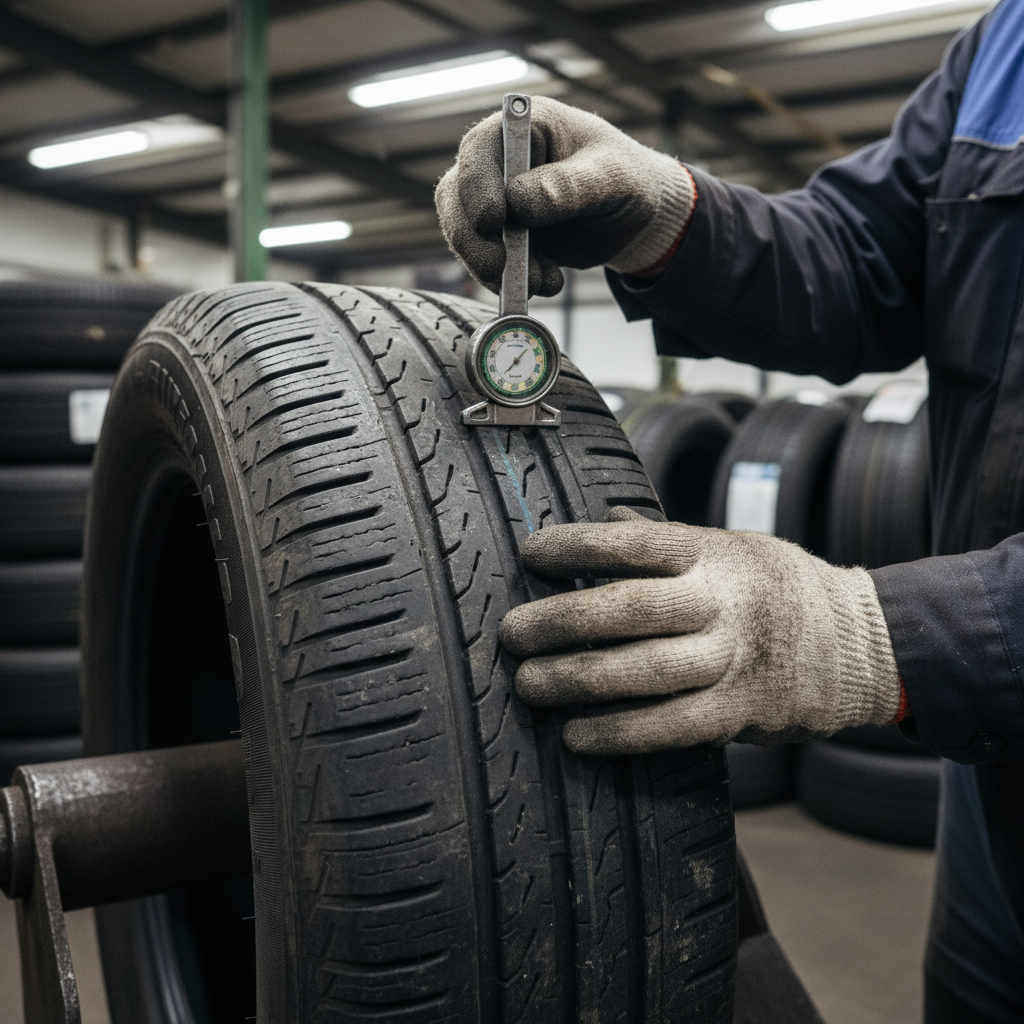
Your tires are crucial for safety and efficiency. Regularly inspect them for wear and tear, checking the tread depth and looking for any visible damage. Additionally, ensure the tire pressure is at the recommended level, as under-inflated or over-inflated tires can affect fuel efficiency and handling.
Tire Maintenance Tips
- Use a tire pressure gauge to check pressure at least once a month.
- Rotate your tires every 6,000 to 8,000 miles to ensure even wear.
- Consider using the penny test to check tread depth. Insert a penny into the tread with Lincoln's head facing down; if you can see the top of his head, it's time to replace the tires.
Check Fluid Levels
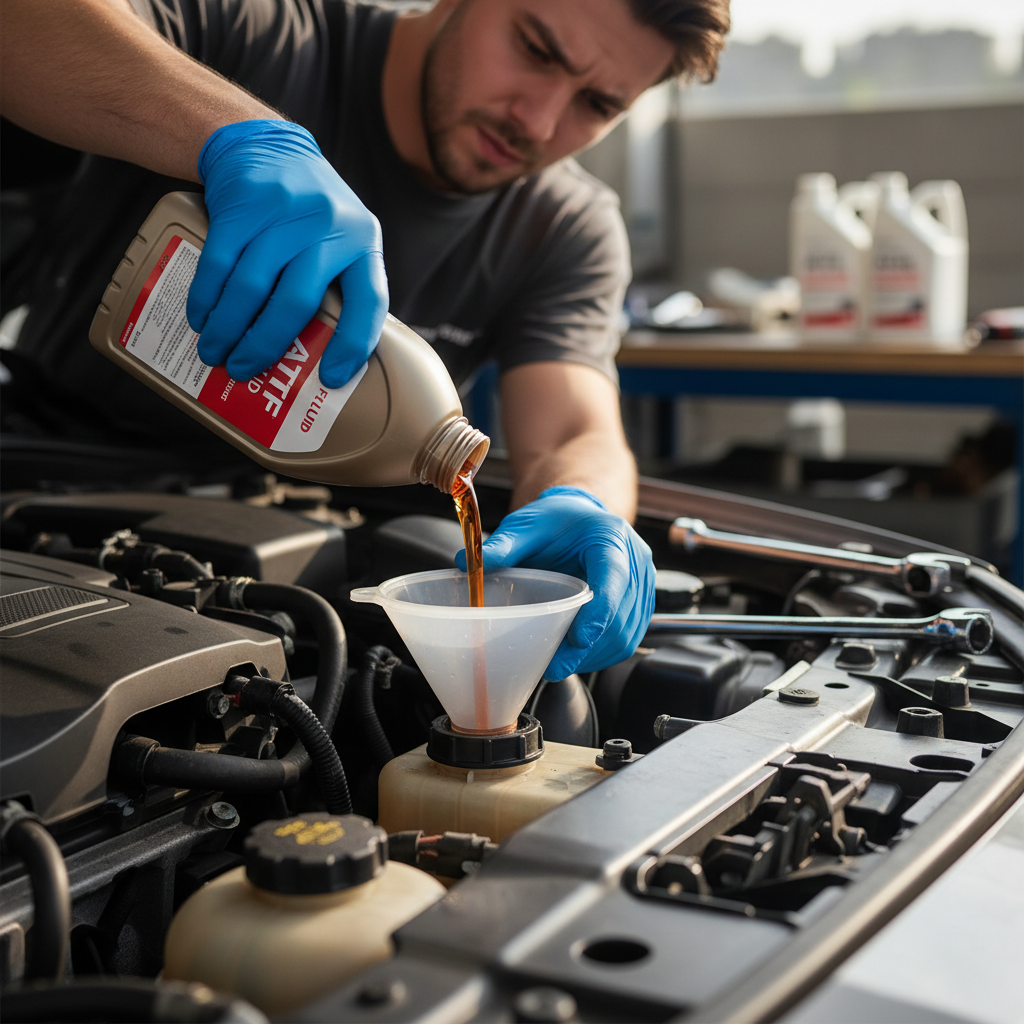
Keeping an eye on your car's fluid levels can prevent major problems down the road. Regularly check the levels of coolant, brake fluid, transmission fluid, and windshield washer fluid. Top off any low fluids and consult your owner's manual for instructions on proper levels and types.
Replace Air Filters
Air filters should be checked and replaced every 12,000 to 15,000 miles. A clean air filter improves fuel efficiency and engine performance. Replacing it is usually a simple process that involves removing the old filter and inserting a new one, often without the need for tools.
Examine the Battery
The battery is the heart of your car's electrical system. Inspect it for corrosion, clean the terminals if needed, and ensure it's securely mounted. If your battery is more than three years old or if you're experiencing starting issues, it may be time for a replacement.
Battery Maintenance Tips
- Keep the battery clean and free of corrosion.
- Ensure the connections are tight.
- Consider testing your battery's charge with a multimeter.
Conclusion
By performing these DIY car maintenance tasks, you can keep your vehicle in top condition and potentially avoid costly repairs. However, it's important to recognize when a problem is beyond your expertise and to seek professional help. Regular maintenance not only improves safety but can also enhance your car's performance and longevity.